
When winter hits, indoor air can quickly become dry. Many U.S. homes use cool-mist humidifiers to keep air moist. This helps with breathing, skin health, and prevents dry lips.

The debate between evaporative and ultrasonic humidifiers goes beyond features and cost. It's about the quality of air and the moisture they add. Cool-mist humidifiers are safer because they don't use boiling water, which is a plus in busy homes.
This guide explores what's key for healthy indoor air. We'll compare how each type adds moisture and affects your living space. Knowing about indoor climate control and seasonal humidity balance is important if you're choosing a humidifier for health.
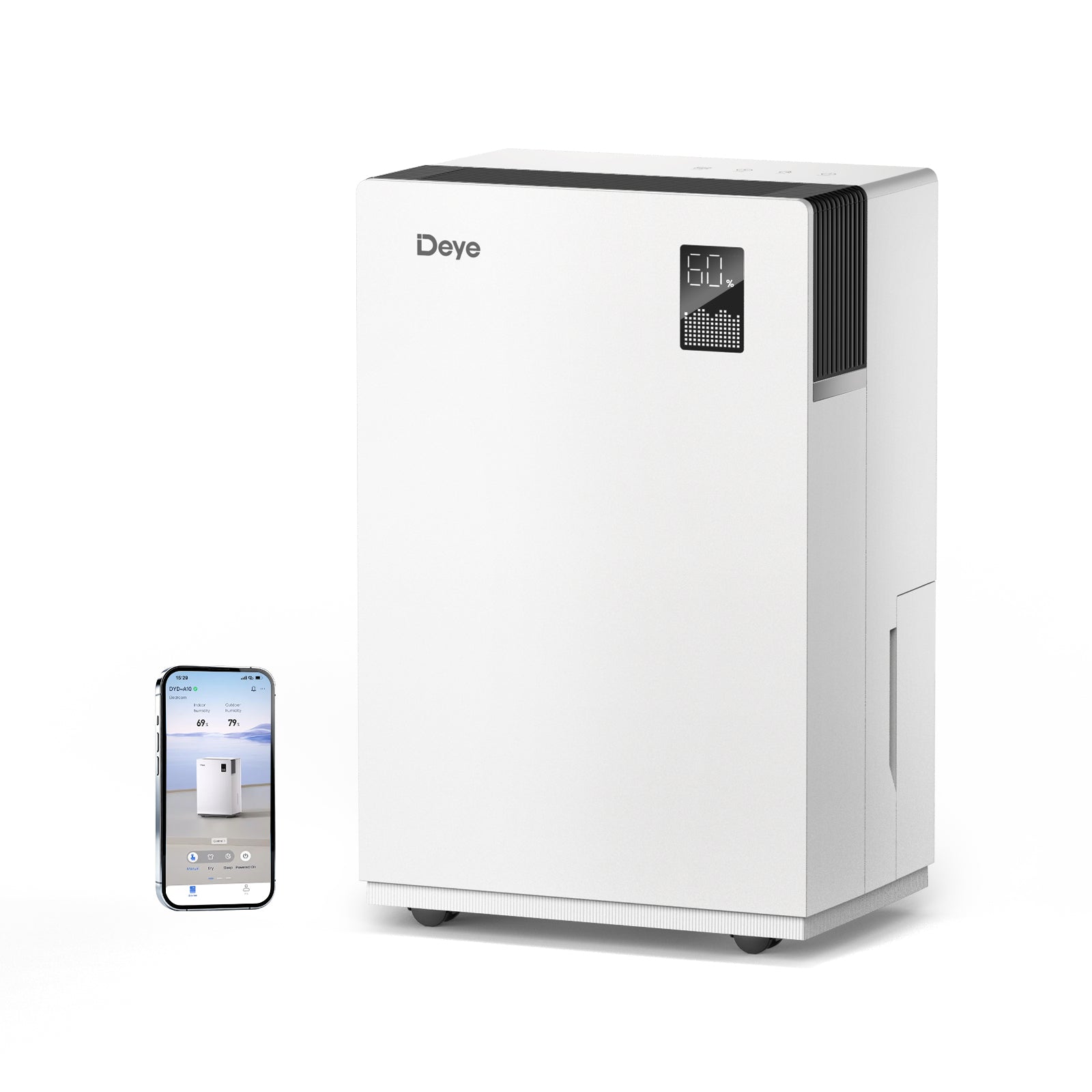
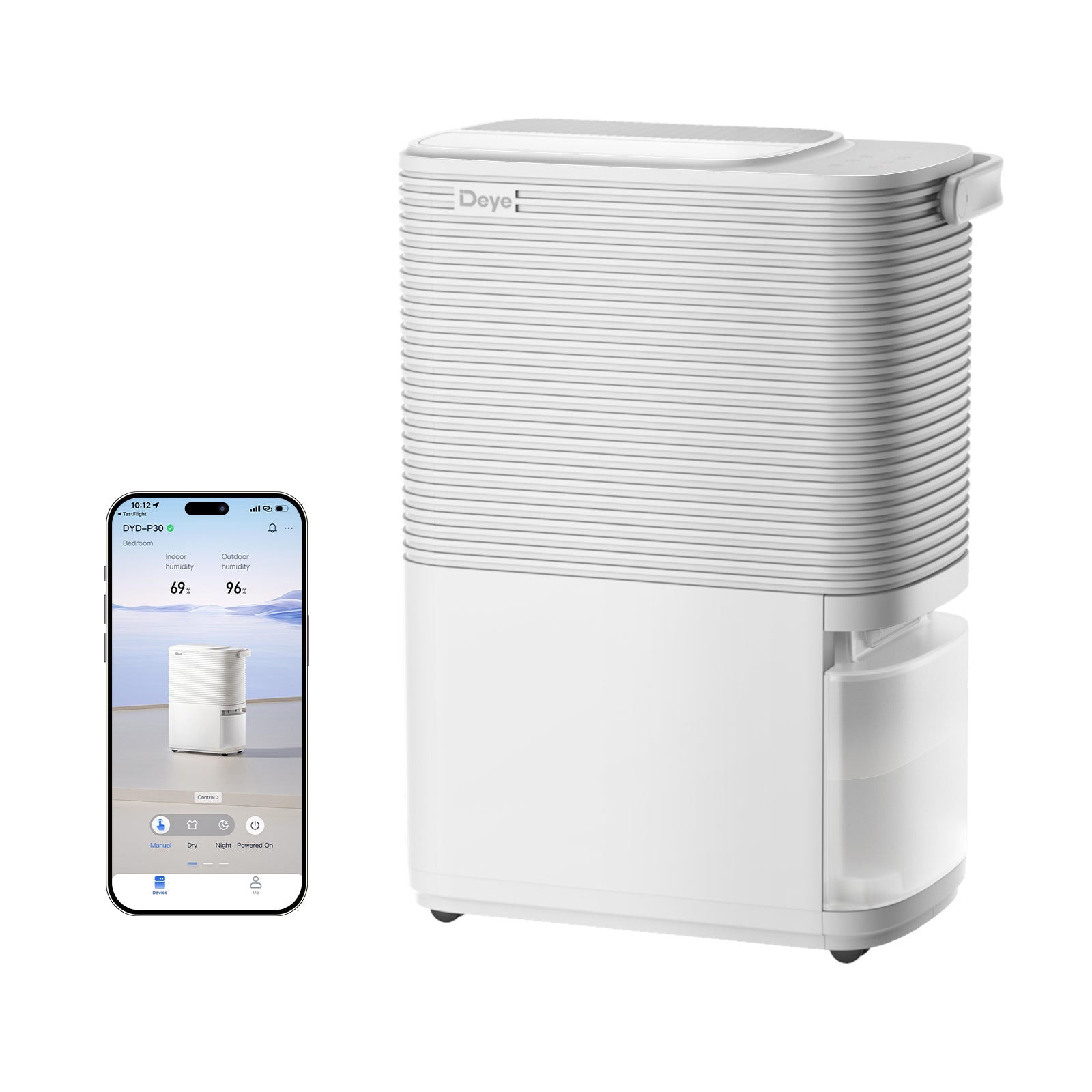
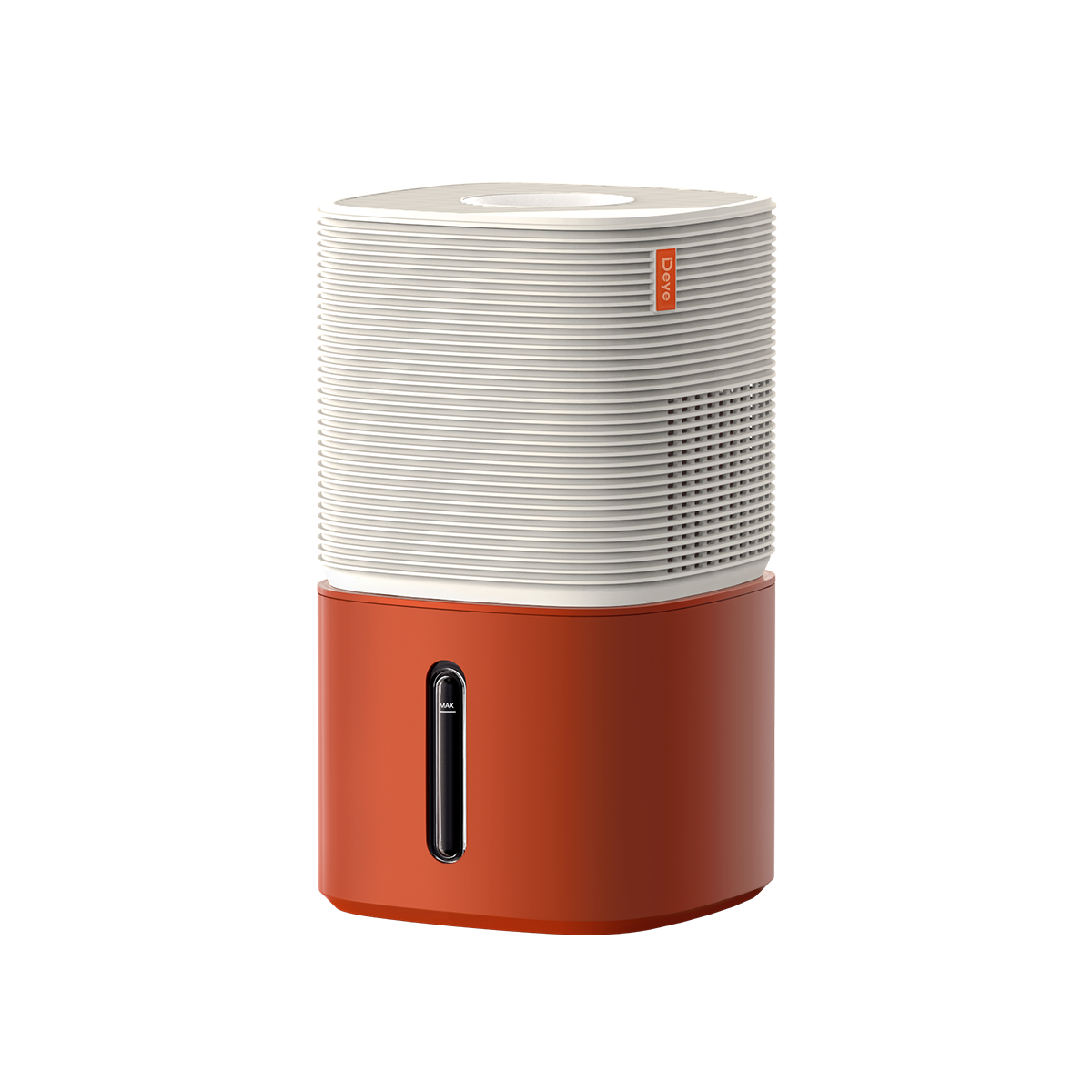
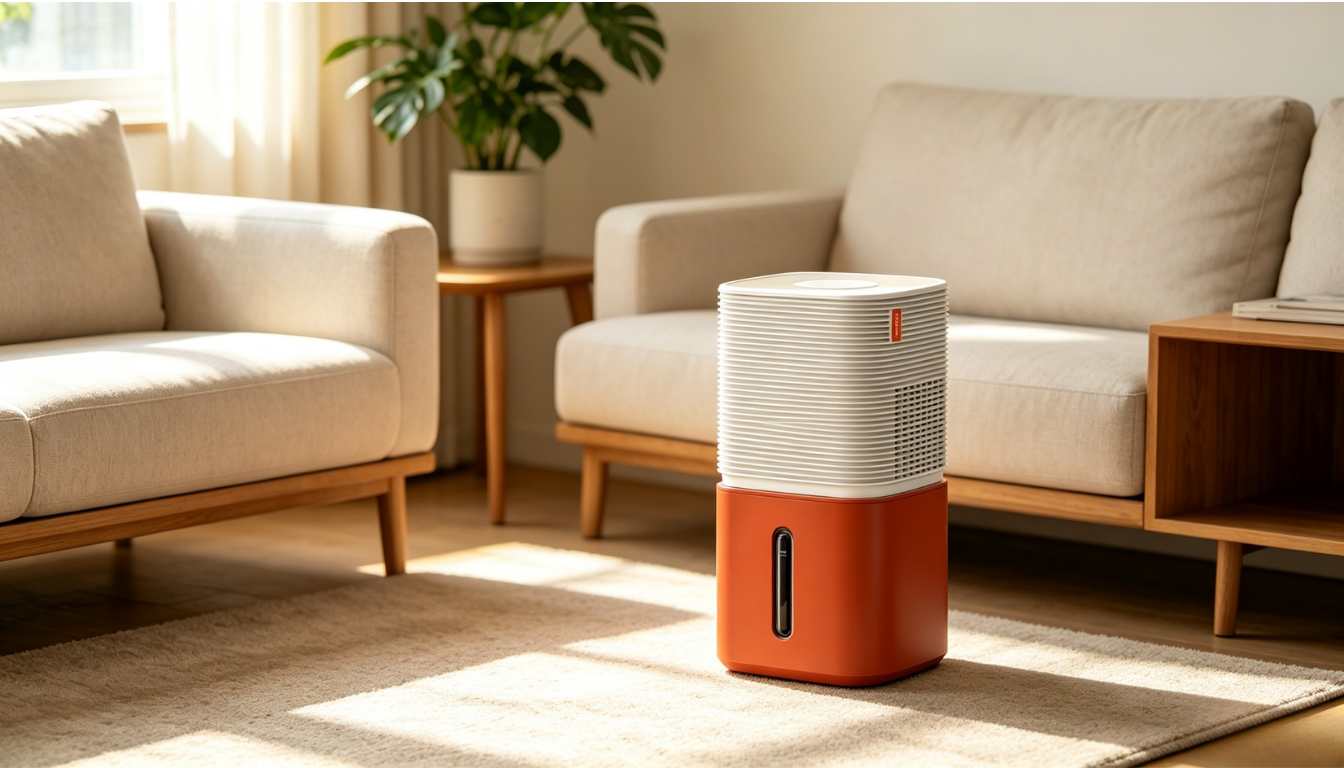
The Deyehome humidifier is also discussed. It's based on 20 years of environmental engineering. Deyehome aims for clean, balanced air with its unique design. We'll dive into the main differences, like fan + wick vs. vibrating plates, and the upkeep needed for good air quality.
Why humidifiers matter for indoor air quality and breathing comfort
When your home air gets too dry, you notice it quickly. A humidifier adds moisture, helping keep the air healthy and balanced during dry times.
Good humidity control can be simple to see. Many people enjoy softer skin and fewer chapped lips. They also breathe easier when they have colds or congestion.

There are mainly two types: warm-mist and cool-mist. Warm-mist units make steam by heating water. Cool-mist models add moisture without boiling, which many prefer for everyday use.
This article looks at two cool-mist types: evaporative and ultrasonic. Both help with humidity balance, but they work differently.
- Evaporative models use a fan and a wick to turn water into vapor, feeling more natural.
- Ultrasonic models create a fine mist through vibration. But, they might spread minerals or contaminants if the water isn't clean.
The way moisture is delivered is key for long-term comfort. It's not just about adding moisture. It's also about what else might be spread in the air.
How evaporative humidifiers work: evaporative mist-free humidification that mimics nature
Imagine a glass of water disappearing on a dry day. Evaporative humidifiers work like that, but faster and more controlled. They turn moisture into invisible vapor, making the air feel just right, not too wet.

Evaporation basics: fan + wick filter = water vapor
An evaporative humidifier pulls in dry air with a fan. This air then passes through a wet wick filter, turning into vapor. The fan sends this humid air back out, keeping the air balanced without mist.
This method is often easy to use because it slows down as the air gets right. This makes it great for everyday use.
Why filters can improve healthy indoor air
The wick filter does more than hold water. It catches minerals that could pollute the air, making it cleaner. This is a big plus in areas with hard water, keeping surfaces and air clean.
Well-made units have good airflow and filter fit. This ensures even moisture without wet spots.
Quiet performance for bedrooms
Evaporative systems are known for low noise because the vibration happens above the range of human hearing. Many models can run under about 30 dB. This makes them perfect for bedrooms and nurseries.
When the air feels less dry, some people notice steadier breathing comfort at night.
How ultrasonic humidifiers work: ultra-fine mist, quiet operation, and the white dust problem
An ultrasonic humidifier turns water into a cool, ultra-fine mist. This mist spreads quickly across a room. It helps keep the air moist, which is good for breathing and comfort.
Ultrasonic tech: vibrating ceramic plates create mist
Inside most units, two small ceramic plates vibrate at a very high frequency. These vibrations break water into tiny droplets, creating a mist. As the mist spreads, it evaporates and raises humidity in the space.
This design is often filterless, which keeps the build simple. But it also means the unit does not strain out what’s in your tank water, including dissolved minerals.
How to avoid white dust from humidifier use
The “white dust” issue happens when mineral-heavy tap water is turned into mist. Minerals like calcium, magnesium, and potassium can ride on those droplets. They then settle on furniture and floors as pale residue.
Hard water can make the buildup more obvious. It can launch minerals, tap-water impurities, and bacteria into the air you breathe.
- Use distilled water to cut mineral output and aim for no white dust. This also helps reduce scale inside the tank and base.
- Clean the tank and mist path often; without regular care, buildup can create conditions where bacteria and other microorganisms grow.
- Keep an eye on room levels for steady humidity control, as over-humid air can affect indoor air quality in a different way.
Tired of the chalky residue that ultrasonic models leave behind? Our Deyehome Evaporative Mist-Free Humidifier eliminates the need for expensive distilled water or constant scrubbing of mineral deposits. By choosing our mist-free technology, you ensure your home stays clean, healthy, and completely free of airborne mineral dust.
Evaporative mist-free humidifier benefits,Healthy indoor air quality
Comfort in homes is not just about moisture. It's also about how the room feels from couch to countertop. Evaporative mist-free humidifiers help keep air quality high without making it foggy.
Mist-free humidifier benefits for cleaner-feeling spaces
One big plus of mist-free humidifiers is that they don't make the air foggy. They release water vapor, not droplets. This makes rooms feel fresher, even near electronics and wood.
The wick filter also catches minerals before they get airborne. This is great for places with hard water, as it means no white dust. For those looking for clean air, this is a big plus.
Balanced humidity control without over-misting
Evaporation works slowly, so humidity rises naturally. Air passes through a wet wick and only takes on moisture it can handle. This is why Evaporative humidifiers are known for balanced comfort, not over-misting.
Brands that focus on precision engineering aim for steady airflow and even wick saturation. This means invisible moisture, stable output, and fewer surprises. It's all about consistent comfort.
Better fit for healthy indoor air routines
For many U.S. homes, routines are key. Evaporative units work well with tap water because the filter manages minerals. This means you might not need to buy distilled water to avoid white dust.
Even so, filters need regular checks to keep the humidifier clean. Many users replace the wick every 1–3 months, depending on use and water quality. A design that makes cleaning easy helps keep air clean all season long.
- Daily comfort: steady moisture that supports Healthy indoor air quality
- Cleaner output: mist-free humidifier benefits tied to reduced mineral spread
- Simple upkeep: routine checks that align with bacteria-free humidifier goals
Health and hygiene comparison: bacteria-free humidifier goals and what maintenance really takes
Starting with a simple question, what's in the tank and where does it go? Ultrasonic humidifiers turn water into mist without filters. This can send minerals into the air and leave residue on surfaces. Over time, it can also affect the air quality inside.
Minerals can stick to parts inside and form scale. If left for too long, damp surfaces can grow microorganisms. For many, the best way to keep air clean is regular cleaning, not just setting it and forgetting it.
For upkeep, both evaporative and ultrasonic humidifiers benefit from weekly cleaning. A vinegar-and-water rinse can help remove buildup. But, the safest way is to follow the care instructions for your model. Keeping up with cleaning is key for healthy air.
- Ultrasonic: no filter, so minerals can travel with the mist and leave faster deposits inside the unit.
- Evaporative: a wick can reduce mineral dust in the air, but it adds a filter replacement schedule.
If you want an easy-to-clean humidifier, think about it in parts: tank, base, and corners. Evaporative wicks may need to be replaced every 1–3 months. This depends on water hardness and how much you use it. It's a trade-off for steadier moisture and fewer minerals.
Deyehome focuses on mist-free evaporative humidification and a design that's easy to clean. The goal is simple: make surfaces easy to clean, reduce buildup, and keep air quality good every day. A regular cleaning routine makes humidification a healthier habit.
Why Deyehome focuses on precision engineering, detachable humidifier design, and reliable performance
Deyehome focuses on what you feel, not just what you see. They aim for steady, comfortable humidity through precision engineering. This supports healthy indoor air quality and long-term comfort in changing seasons.
The Deyehome humidifier uses evaporative mist-free technology, mimicking nature. It pulls dry air through a premium filter and releases it as balanced water vapor. This makes rooms feel less damp and more even, reducing mineral dust in the air.
Deyehome avoids the common issue of mineral particles in ultrasonic models. These particles can turn into white dust in rooms. Their focus on evaporative mist-free technology ensures reliable performance without the mess.
The detachable design makes upkeep easy, not just for looks. It's about making weekly cleaning simple for better hygiene. With these features, Deyehome aims to make daily use simple and consistent for long-term comfort.

Leave a comment
All comments are moderated before being published.
This site is protected by hCaptcha and the hCaptcha Privacy Policy and Terms of Service apply.